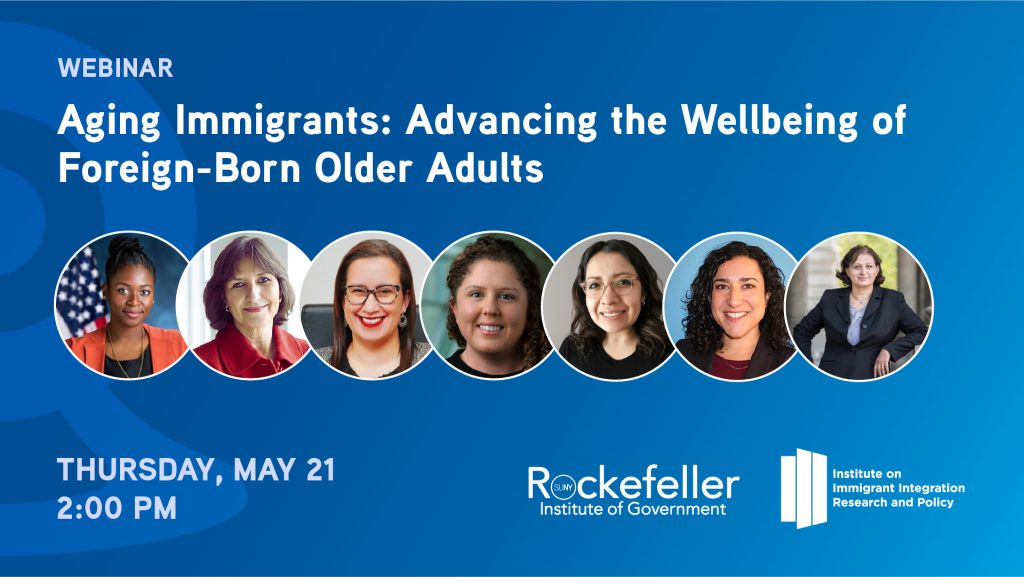
Aging Immigrants: Advancing the Wellbeing of Foreign-Born Older Adults

Immigrant older adults face a unique constellation of challenges due to the intersection of age, migration status, language, culture, and often socioeconomic marginalization. These challenges vary by individual experience but generally fall into several key categories including:  (a) language barriers (difficulty communicating with healthcare providers, social services, or neighbors, and limited access to translated information or interpreters); (b) cultural disconnection (loss of cultural traditions or alienation from dominant societal norms, experiences of cultural invisibility or being misunderstood, challenges adapting to different values around aging, independence, or elder care); (c) limited access to healthcare (lack of culturally competent or linguistically appropriate care, ineligibility for public health insurance depending on immigration status, and higher risk of chronic conditions going unmanaged); (d) economic insecurity (inadequate retirement savings due to interrupted work histories or low-paying jobs, ineligibility for pensions or social security benefits, and overreliance on family or informal work for survival); (e) social isolation (shrinking social networks due to family dispersion or loss, physical distance or emotional estrangement from children/family, and lack of community programming for older immigrants in their language or cultural context; (f) mental health struggles (depression, anxiety, and trauma—often undiagnosed or untreated, stress due to intergenerational conflict or perceived burden on family, past trauma from migration, displacement, or refugee experience); (g) legal and immigration status (fear of deportation or family separation (especially among undocumented older adults), ineligibility for public services due to visa or residency status, and difficulties navigating legal systems or understanding rights); (h) housing instability (overcrowded living conditions with extended family, risk of elder abuse or neglect in intergenerational households and limited access to age-friendly or subsidized housing); and (i) digital divide (difficulty using technology for social connection, accessing services, or telehealth. Discussions will examine models that maintain the provision of culturally and linguistically appropriate health and social services, community centers offering intergenerational and language-specific programs, legal advocacy for benefits access and residency stability, technology training and digital literacy programs for older foreign-born adults, and policy change to expand older immigrant eligibility for public benefits.

Special Remarks

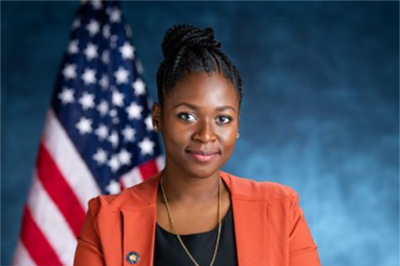
Phara Souffrant Forrest

Phara Souffrant Forrest

Assemblymember, District 57, New York State Assembly

Phara Souffrant Forrest represents the 57th Assembly District in Brooklyn, New York, which consists of the neighborhoods of Fort Greene and Clinton Hill, as well as parts of Bedford-Stuyvesant and Crown Heights. She was first elected in 2020.

Forrest is the daughter of Haitian immigrants and a lifelong resident of the 57th District. She is a proud product of Brooklyn’s public school system, attending Philippa Schuyler Middle School and Benjamin Banneker Academy for Community Development. She then attended the State University of New York’s (SUNY) Geneseo, where she majored in international relations, before obtaining an associate’s nursing degree at City University of New York’s (CUNY) City Tech and a BSN at CUNY School of Professional Studies.

Forrest has held various jobs that help her connect with her constituents: working in New York City public schools, as an Uber driver, and doing youth advocacy work at Global Kids. Before being elected to the assembly, Forrest worked as a maternal child field nurse, caring for new mothers after they gave birth.

In addition to her work as a nurse, Forrest was president of her building’s tenant association before running for office. Tenant organizing, in particular the fight to pass the Housing Stability & Tenant Protection Act of 2019, was a major motivating force in her decision to run for office and stand up for tenants like herself across the state.

Since being elected, Forrest has continued to champion the rights of tenants, as well as expanding access to healthcare and reforms to the carceral system. In her first term, she passed the Less Is More Act, which made the state’s supervision system more just and equitable. She believes that working-class New Yorkers deserve stable housing, affordable healthcare, and the resources to pursue a good life.

Forrest lives in Crown Heights, New York, with her husband and son.

Read More
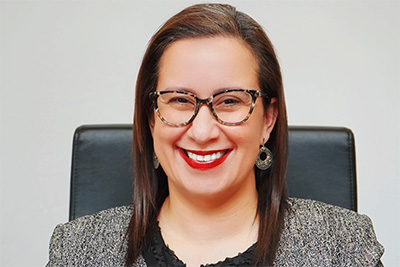
Helen Arteaga

Helen Arteaga

Deputy Mayor for Health and Human Services, City of New York

Dr. Helen Arteaga is the City of New York’s deputy mayor for health and human services. She was appointed to this position by Mayor Zohran Mamdani in January 2026. The deputy mayor oversees and coordinates operations of the Health + Hospitals Corporation, the Department of Health and Mental Hygiene, the Department of Social Services, the Human Resources Administration, the Department of Homeless Services, the Administration for Children’s Services, the Department of Youth and Community Development, the Department for the Aging, the Office of the Chief Medical Examiner, the Office to End Domestic and Gender Based Violence, the Department of Veterans’ Services, the Office of Community Mental Health, the Office of Food Policy, and the Office for People with Disabilities. Her work focuses on strengthening the city’s safety net, advancing health equity, and ensuring that every New Yorker, regardless of background or circumstance, has access to essential care and support.

In 2021, Helen became the first woman and the first Latina to serve as CEO of NYC Health + Hospitals/Elmhurst, a Level 1 Trauma Center and one of the largest and most diverse public hospitals in New York City. Before becoming CEO, she played a critical leadership role during the COVID-19 pandemic, when Elmhurst Hospital became the epicenter of the global crisis in the United States. During this unprecedented moment, Helen helped guide the hospital through the most challenging period in its history, coordinating emergency response efforts, supporting frontline healthcare workers, and ensuring that the hospital continued to deliver lifesaving care to one of the most diverse patient populations in the country.

Under Helen’s leadership as CEO, Elmhurst strengthened its reputation as a leading safety-net hospital serving immigrant and working-class communities across Queens and New York City. The hospital was recognized as one of the “Best Regional Hospitals” and a “High Performing” hospital by U.S. News & World Report and named a “Top Place to Work” by City & State NY. During her tenure, Helen secured significant public investment to modernize and expand the hospital’s infrastructure, including $27.5 million from New York State for a new Women’s Pavilion and Pediatric Intensive Care Unit, and nearly $140 million in federal, state, and city funding for major capital improvements to enhance patient care and strengthen the facility’s long-term capacity

Prior to her role at Elmhurst, Helen served as assistant vice president of the Queens Network and Executive Initiatives at Urban Health Plan, a network of New York City-based community health centers. Her passion for healthcare traces back to her family’s earliest years in the United States, when they arrived from Ecuador and struggled to access essential medical services. Those formative experiences and the enduring influence of her father’s community activism shaped her commitment to expanding care for immigrant and underserved communities. Years later, she led the creation of Plaza del Sol Family Health Center in Corona, Queens. Today, this vital institution delivers care to tens of thousands of residents each year, embodying her lifelong dedication to expanding access and equity in community health.

Helen has a bachelor’s degree from New York University, a master’s of public health from Columbia University, and a Ph.D. from the City University of New York. In 2025, she was named as one of City & State’s Queens Power 100. She was also featured as one of Becker’s Hospital Review’s “Women Hospital Presidents and CEOs to Know” for both 2024 and 2025. Helen is a recipient of the prestigious Joan H. Tisch Community Health Prize from the Laurie M. Tisch Illumination Fund for her distinguished accomplishments in the field of urban public health, the Mujeres Destacadas award from El Diario NY, the City University of New York’s “50 Under 50” alumni award, and a notable alumni award from CUNY’s School of Public Health. She continues to drive an ambitious agenda to strengthen the City’s public hospitals, expand community-based care, and fortify the social-service systems
that millions of New Yorkers rely on every day. With a clear vision and unwavering resolve, she is advancing reforms that prioritize equity, dignity, and access, ensuring that every New Yorker has the support they need to thrive. Her leadership reflects a deep belief in the power of public institutions and a steadfast commitment to building a healthier, fairer, and more affordable New York for all.

Read More

Panelists

María Alvarez

María Alvarez

Sloan Fellow, New School for Social Research

María Alvarez has worked with senior citizens groups as an organizer, advocate, and director of housing and caregivers programs for over 30 years. She has designed and implemented educational, social service, and leadership programs for older adults.  She holds a bachelor’s degree from Marquette University and a master’s degree in nonprofit management from the New School for Social Research, where she was a Sloan Fellow.

Read More
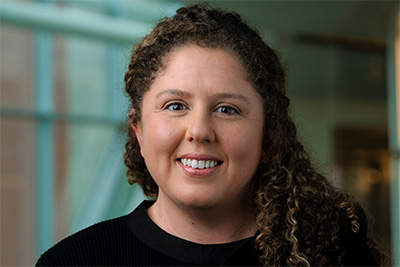
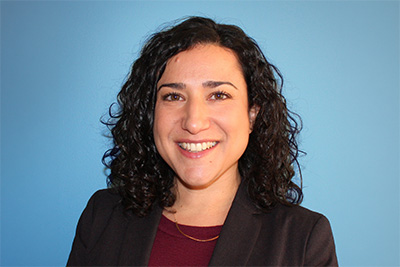
Caitlin Coyle

Caitlin Coyle

Gerontologist and Director, Center for Social and Demographic Research on Aging (CSDRA), University of Massachusetts Boston

Dr. Caitlin Coyle is a gerontologist and director of the Center for Social and Demographic Research on Aging (CSDRA) at the University of Massachusetts Boston. Her work focuses on how policies, environments, and social systems shape the ability of people to age with independence, health, and economic security. She is a leading researcher on the Elder Index, a nationally recognized measure that calculates the real cost of basic needs for older adults living in US communities. Dr. Coyle’s research integrates public health, social policy, and community-engaged methods to inform age-friendly systems, reduce inequities, and support data-driven decision-making for aging populations.

Read More
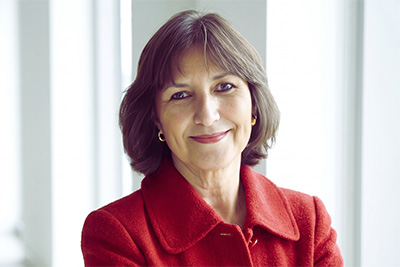
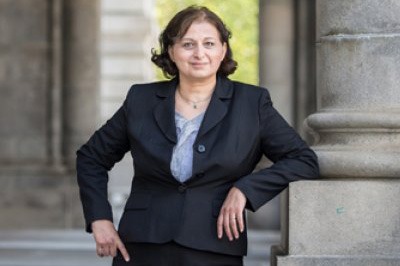
Dina Refki

Dina Refki

Executive Director, Institute on Immigrant Integration Research and Policy

Dina Refki is the director of the Center for Women in Government & Civil Society (CWGCS) at the University at Albany. Refki studies and researches the interplay of gender with institutional structures in the US and international context. She applies gender mainstreaming and budgeting analysis from transnational perspectives. Prior to assuming leadership at CWGCS in 2009, she held different positions at the Center, including as director of the Immigrant Women & State Policy Program, which facilitated interagency collaboration, promoted dialogues with civil society and immigrant women at the state level, and worked to identify and address barriers to the integration of immigrant women in the social, economic, and political fabric of local communities. Refki studies the challenges of migration, the barriers facing immigrant women and their families, and the structural changes needed to better respond to the needs of immigrant women.

Read More
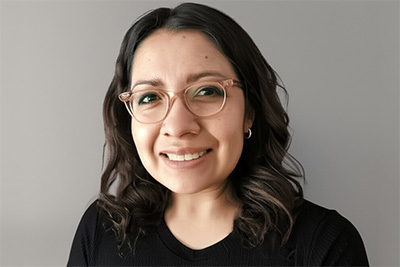
Nidya Velasco Roldán

Nidya Velasco Roldán

Postdoctoral Researcher, Tecnológico de Monterrey’s Institute for Obesity Research

Dr. Nidya Velasco Roldán is a postdoctoral researcher at Tecnológico de Monterrey’s Institute for Obesity Research. She is affiliated with the Public Health Policy Unit, working at the intersection of public health, demography, and social gerontology with a strong focus on the study of social inequalities. She holds a Ph.D. in gerontology from the University of Massachusetts Boston. Her work uses a life course perspective to understand how experiences like gender-based violence and migration shape health and well-being in later life. She focuses on how intersecting factors, such as gender, age, and socioeconomic status, drive health disparities. Currently, her research aims to translate scientific evidence into inclusive public health strategies that reduce metabolic health disparities and promote equitable and dignified aging in Mexico.

Read More